

Ghk-Cu Dosage Guide (50mg)

QuickStart Guide

GHK-Cu is a naturally occurring copper peptide tied to skin repair, collagen support, and tissue regeneration. It’s heavily studied for its role in gene signalling linked to healing, antioxidant defense, and inflammation control. In simple terms, it’s one of the go-to compounds in research for improving skin quality and recovery.

  • Reconstitution: Add 3.0 mL sterile water → yields 16.67 mg/mL
  • Typical Range: 1.0–2.0 mg per injection, commonly run 3×/week or 5 days/week
  • Easy Measuring: At 16.67 mg/mL → 1 unit (U-100) = 0.01 mL  167 mcg
  • Storage:
    • Lyophilized: −20°C or colder
    • Reconstituted: 2–8°C (fridge), use within 30 days
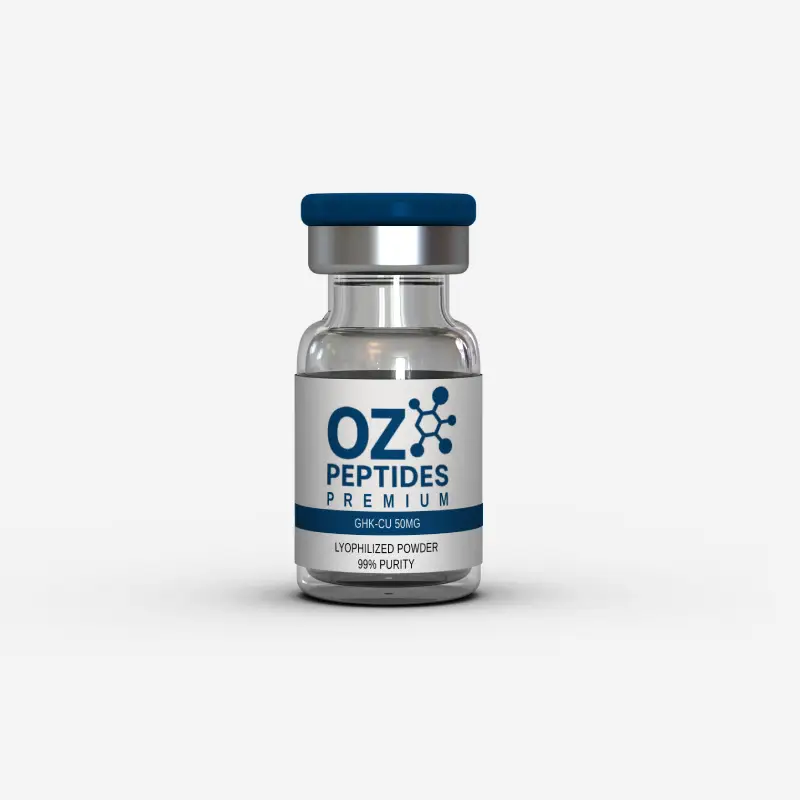
GHK-Cu copper peptide vial for skin repair and anti-aging support Australia

⚙️ How This Works

GHK-Cu is a small, naturally occurring peptide that binds to copper and helps regulate a wide range of processes in the body. Research shows it plays a key role in wound healing by boosting collagen production and supporting tissue repair, while also helping control inflammation and strengthen antioxidant defenses. It works at the gene level, switching on pathways linked to regeneration and recovery, which is why it’s studied across skin, vascular, and even nervous system health. Although it’s active at very low doses in animal models, typical research protocols use higher amounts to achieve broader systemic effects, making it more than just a skin peptide and closer to a full-spectrum repair signal.


🧪 Steps FOr reconstitution

  1. Draw 3.0 mL bacteriostatic water using a sterile syringe
  2. Inject slowly down the vial wall (don’t blast it, avoid foaming)
  3. Gently swirl or roll until fully dissolved (no shaking)
  4. Label with the date, store in the fridge at 2–8°C, keep out of light


⚖️ BENIFITS & SIDE EFFECTS

GHK-Cu is widely studied for its role in wound healing and tissue repair, mainly by supporting collagen production and healthy remodeling pathways. Research also shows it can help regulate genes linked to antioxidant activity, growth factors, and inflammation control, which is why it’s often looked at as a broader recovery and skin-quality compound. Preclinical data suggests it may also play a role in nervous system support and cognitive function, adding to its multi-system appeal. It’s generally well tolerated in research settings, with the most common issues being mild injection-site reactions like temporary redness or itching. There are no official human dosing guidelines, as GHK-Cu remains investigational, so most protocols are based on clinical practice patterns and observational use.


💉 Dosing Protocol

  • Conservative (5 days/week): Start at 1.0 mg daily, build up to 1.5–2.0 mg over 4–8 weeks
  • Alternative (3×/week): Run a steady 2.0 mg per injection for a simpler schedule
  • Route: Subcutaneous (abdomen, thighs, or upper arms)
  • Cycle Length: Typically 8–12 weeks, can extend to ~16 weeks depending on goals
  • Timing: Any consistent time of day works — just keep it regular and rotate injection sites

📅Standard Protocol (5 Days/Week)


📅ALTERNATIVE PROTOCOL (3 DAYS/WEEK)


❄️ Storage (Keep It Potent)

  • Lyophilized (dry powder): Store at −20°C or colder, dry and out of light; keep vial tightly sealed to limit moisture
  • Reconstituted (in solution): Refrigerate at 2–8°C, use within 30 days; bacteriostatic water helps reduce bacterial growth
  • Let vials reach room temperature before opening to prevent condensation


⚠️ Key Considerations

Keep administration clean and consistent every time, use a fresh sterile insulin syringe for each injection and dispose of it properly in a sharps container, rotate injection sites (abdomen at least 1 inch from the navel, outer thighs, upper arms) to avoid irritation and tissue buildup, always clean the injection site with an alcohol swab and let it fully air-dry before injecting, go slow and steady with the injection and withdraw the needle at the same angle, and log your dose, date, and site so nothing gets sloppy over time.


💉 How to Inject (SubQ Basics)

  • Wipe the vial stopper and injection site with alcohol and let it dry fully
  • Pinch a small skinfold and insert the needle at 45–90° into subcutaneous tissue
  • Don’t aspirate, just inject slow and steady
  • If volume goes over 1.0 mL, split into two injections at different sites (e.g. left/right abdomen)
  • Rotate sites each time (abdomen is go-to, but thighs and upper arms work too) to avoid irritation and buildup
  • After injecting, wait a few seconds before pulling out to make sure the full dose goes in
  • Dispose of syringes straight away in a proper sharps container


🏃‍♂️ Lifestyle Support (for best results)

Back it up with the basics done right, keep protein intake solid to support collagen and repair, stay well hydrated and make sure key micronutrients are covered (especially copper, zinc, and vitamin C) for proper tissue function, lock in good sleep and manage stress so recovery systems actually do their job, and if it fits your goal, pair it with a smart skincare or wound-care routine to get the most out of it.


⚠️ Research Use Disclaimer

This content is for educational and research awareness purposes only, not medical advice, diagnosis, or treatment. It is an investigational compound and is not approved for clinical use. All information is drawn from published research and clinical trial data and is not intended to promote or guide off-label or human use.