 Weight Loss
 Injury and Repair
 Muscle Building
 Anti-aging
 Cognitive Function
 3ml Benzyl Alcohol Bacteriostatic Water
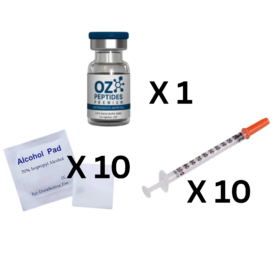 Starter Pack
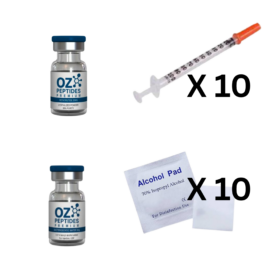 Retatrutide Starter Bundle
 5-Amino-1MQ Dosage Guide (5mg)
Weight Loss Peptides Australia
Research-grade peptides for fat loss, metabolic health & appetite control studies. Lab-tested purity with independent COAs. Fast Australian shipping.
📑 Quick Navigation
What Are Weight Loss Peptides?
Weight loss peptides are research compounds that modulate metabolic pathways controlling appetite, energy expenditure, and fat metabolism. Unlike conventional approaches, these peptides target specific biological mechanisms – from gut hormone signalling to cellular metabolism – providing precise tools for studying obesity, metabolic syndrome, and body composition.
The most studied weight loss peptides work through several pathways: GLP-1 and GIP receptor agonism (Retatrutide, Tirzepatide, Cagrilintide) for appetite suppression and glucose control, metabolic enzyme modulation (5-Amino-1MQ, NAD+) for shifting energy balance from storage to expenditure, and growth hormone axis manipulation (Tesamorelin, CJC-1295 + Ipamorelin) for body recomposition research.
At OzPep, every weight loss peptide is manufactured under strict laboratory conditions with independent HPLC and Mass Spectrometry testing. All products include published Certificates of Analysis and are sold strictly for in-vitro research and laboratory use only.
GLP-1 & Appetite Control Peptides
Dual and triple agonists targeting incretin pathways for appetite and metabolic research
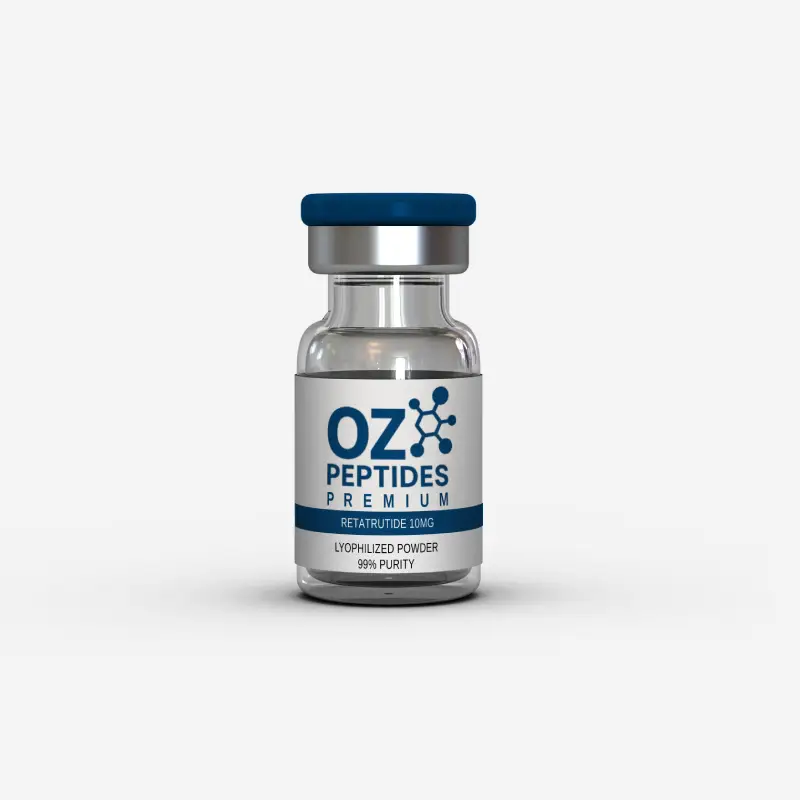
Retatrutide
Triple agonist targeting GLP-1, GIP, and glucagon receptors. The most advanced multi-pathway peptide for metabolic and weight management research.
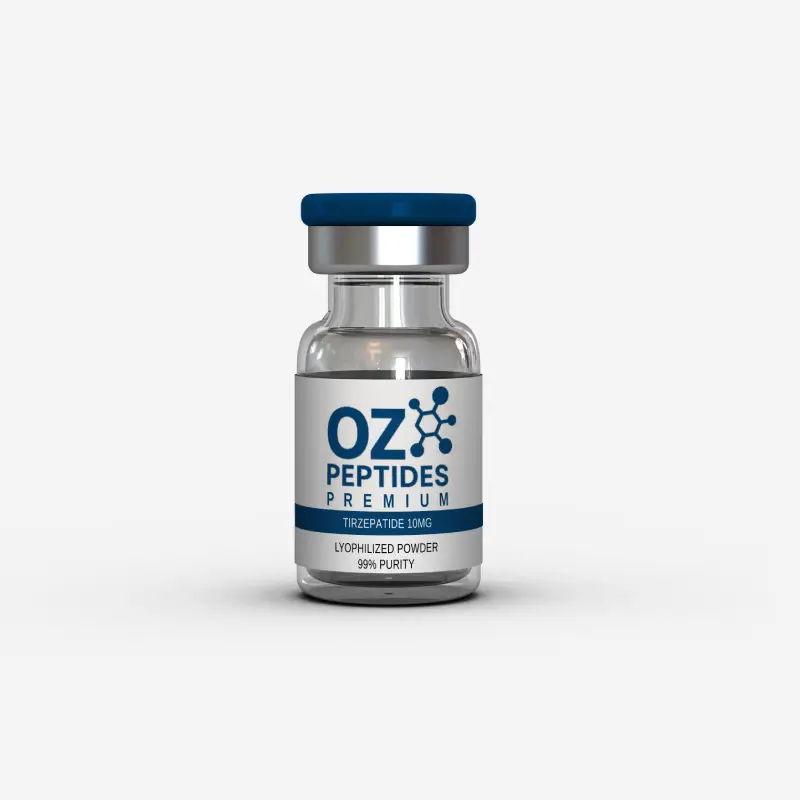
Tirzepatide
Dual GLP-1/GIP receptor agonist for appetite control and glucose regulation research. Studies metabolic pathways for sustained weight management.
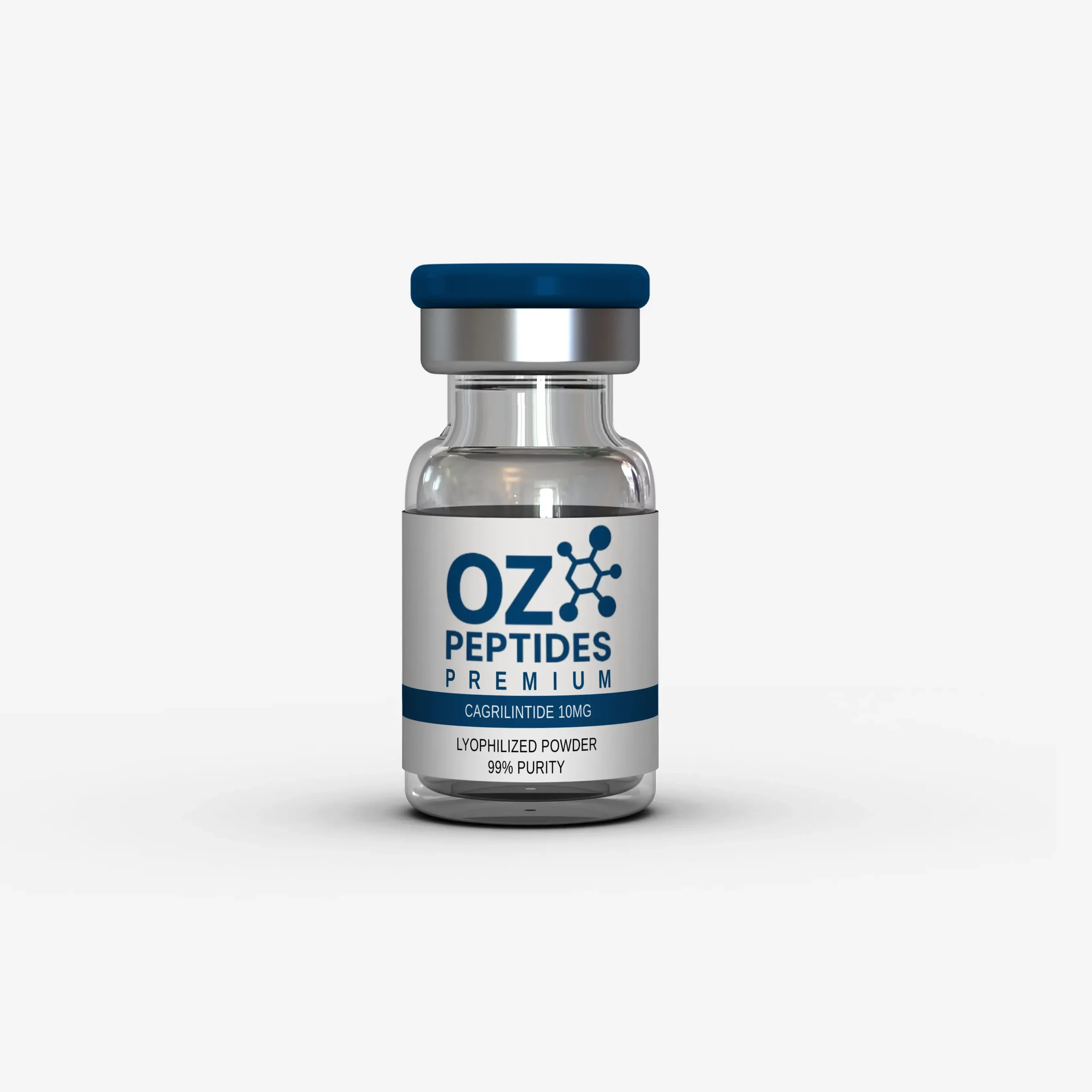
Cagrilintide
Long-acting amylin analogue for potent appetite suppression research. Supports calorie control and sustained fat loss phase studies.
Metabolic Support Compounds
NNMT inhibitors and cellular energy boosters for metabolic research
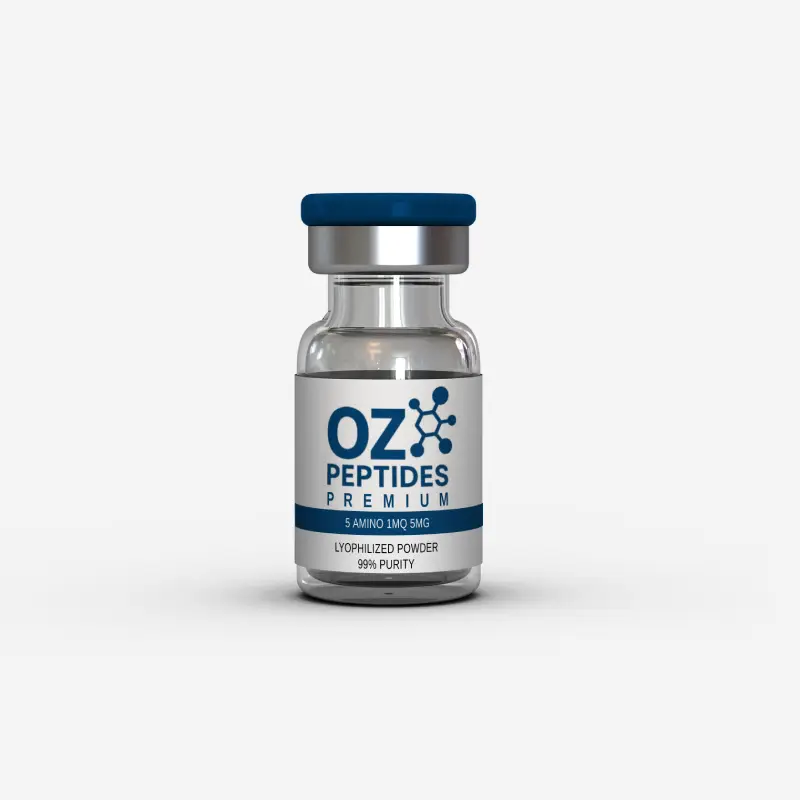
5-Amino-1MQ
NNMT pathway inhibitor that shifts the body from fat-storage to fat-burning mode. Supports metabolism and energy output research.
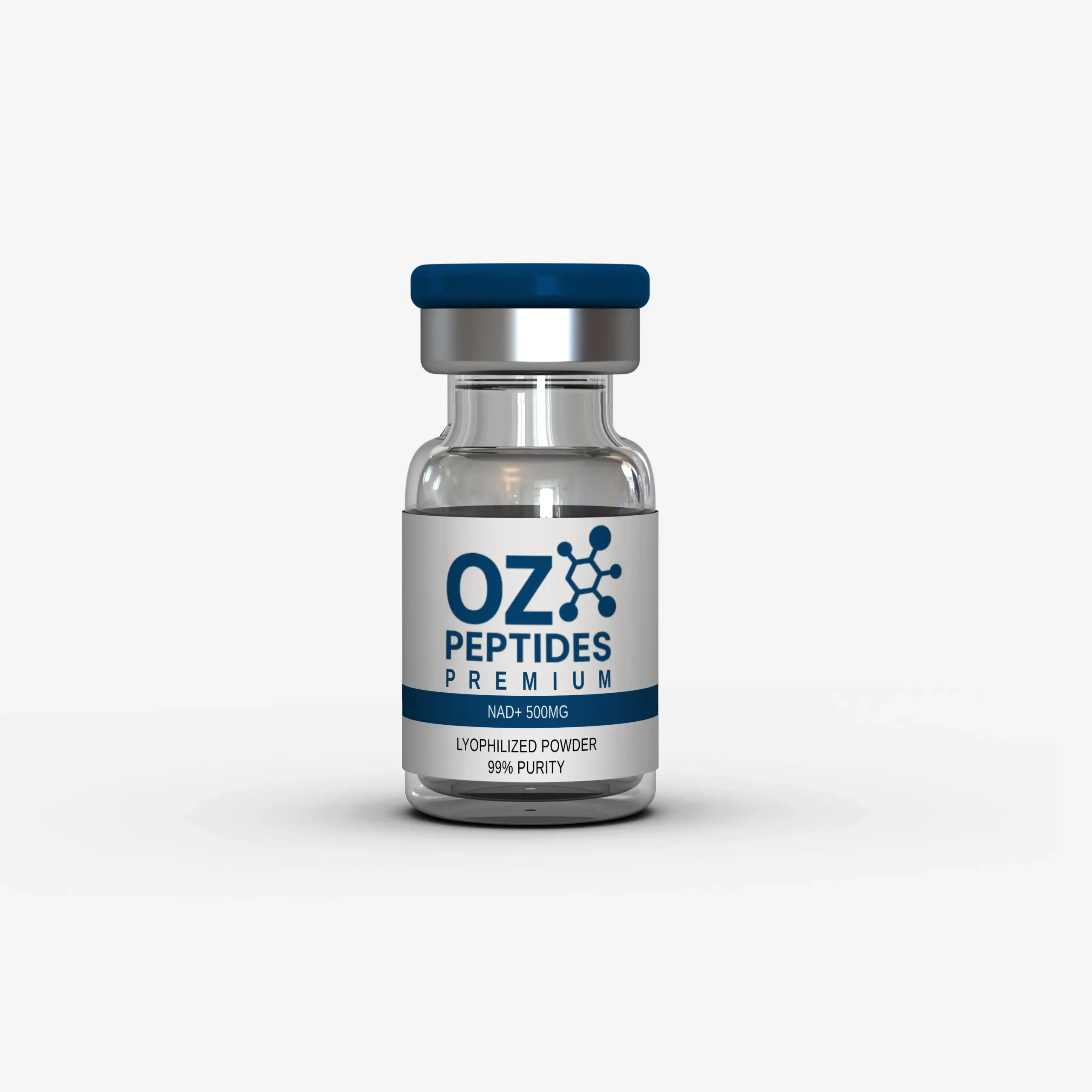
NAD+
Essential coenzyme for cellular energy production and mitochondrial function research. Studied for metabolic regulation and longevity pathways.
GH Support & Body Recomposition
Growth hormone-modulating peptides for lean mass preservation during fat loss research
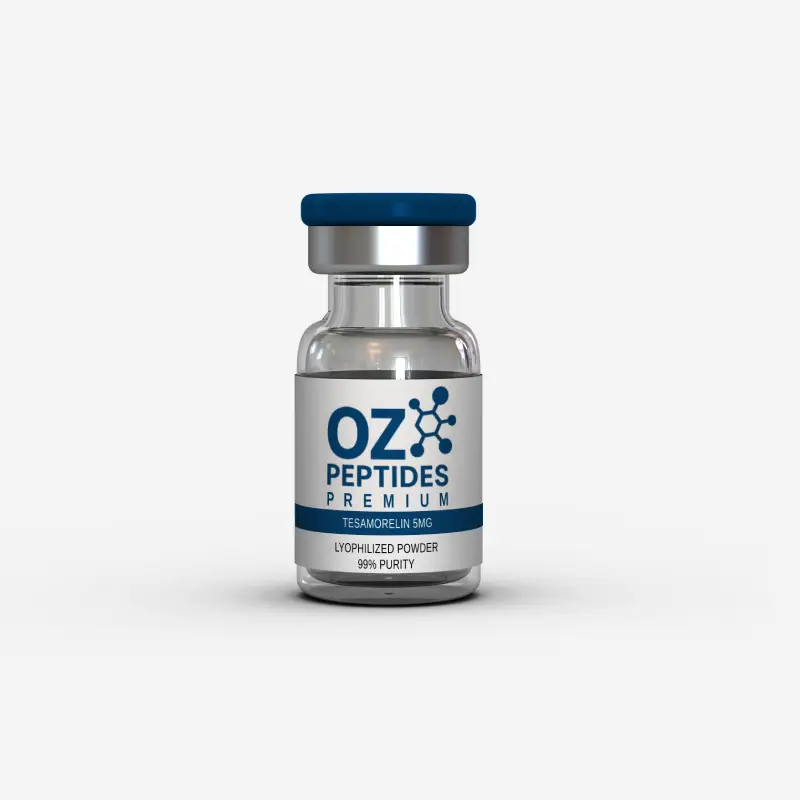
Tesamorelin
Advanced GHRH analog for GH-mediated visceral fat targeting. Supports body recomposition and metabolic health research.
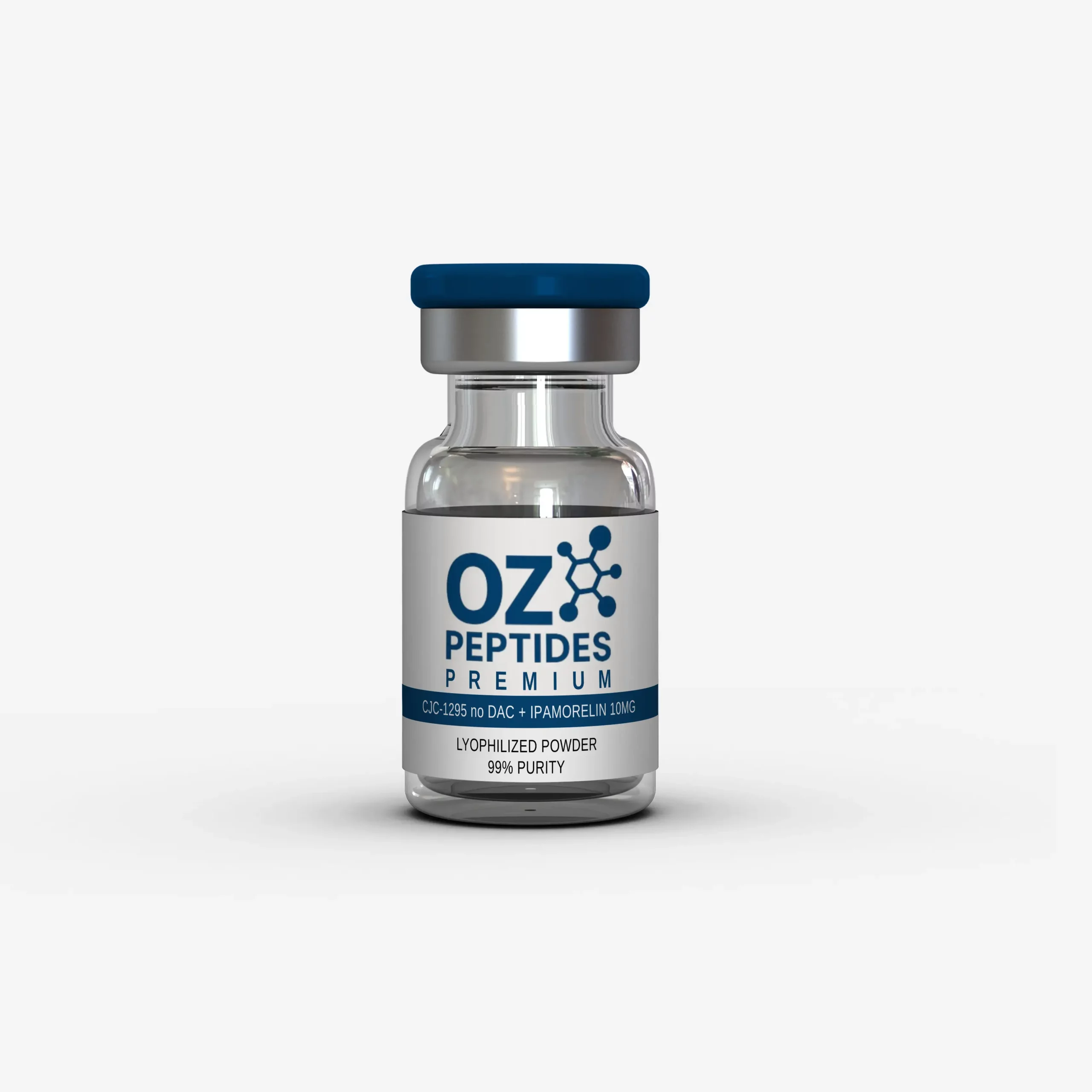
CJC-1295 + Ipamorelin
Synergistic dual blend for clean GH pulses. Supports lean muscle preservation, recovery, and metabolic rate during fat loss research.
Bundles & Ancillary
Complete kits and supporting peptides for weight loss research protocols
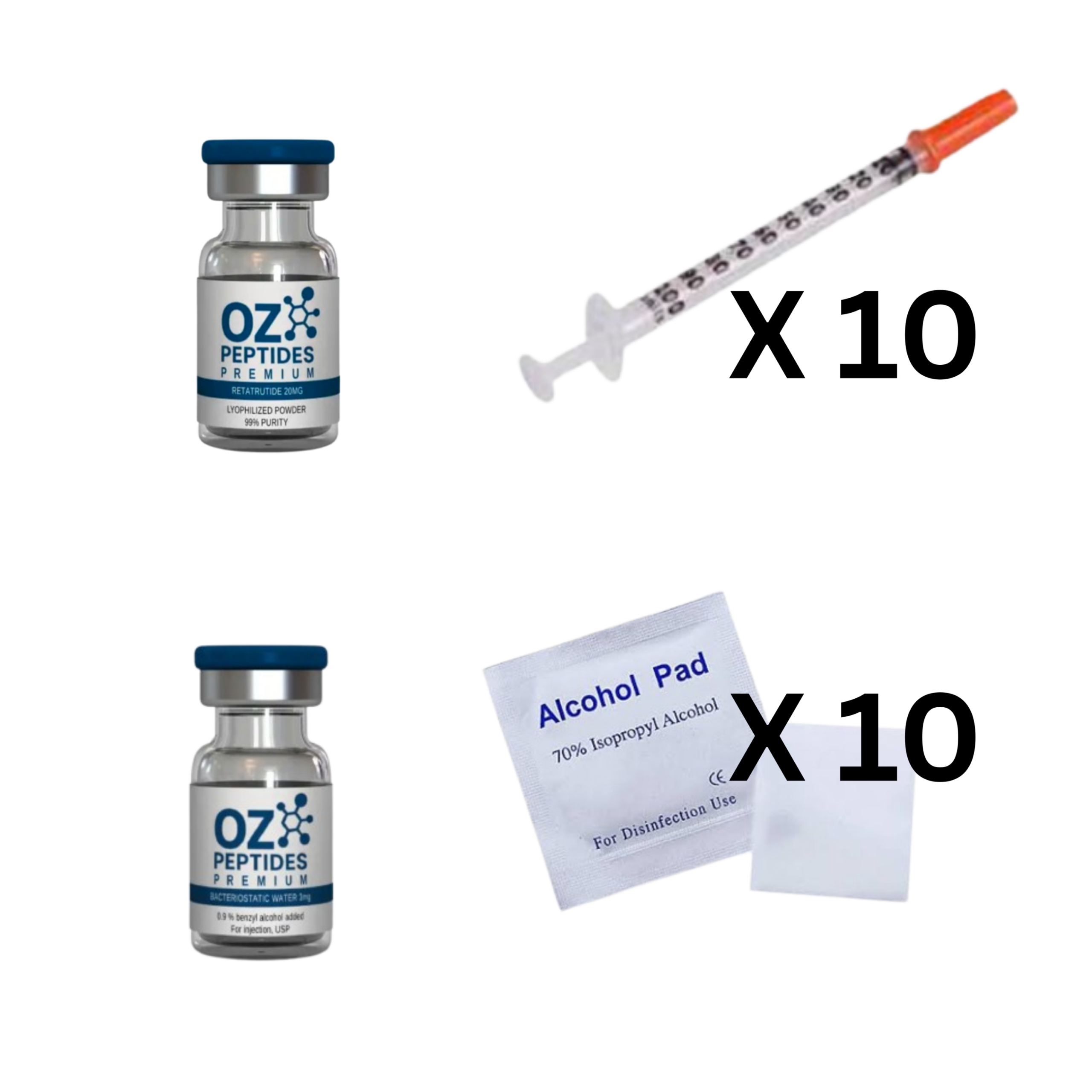
Retatrutide Starter Bundle
All-in-one kit: Retatrutide vial + bacteriostatic water + syringes + alcohol swabs. Everything needed to begin peptide preparation protocols.
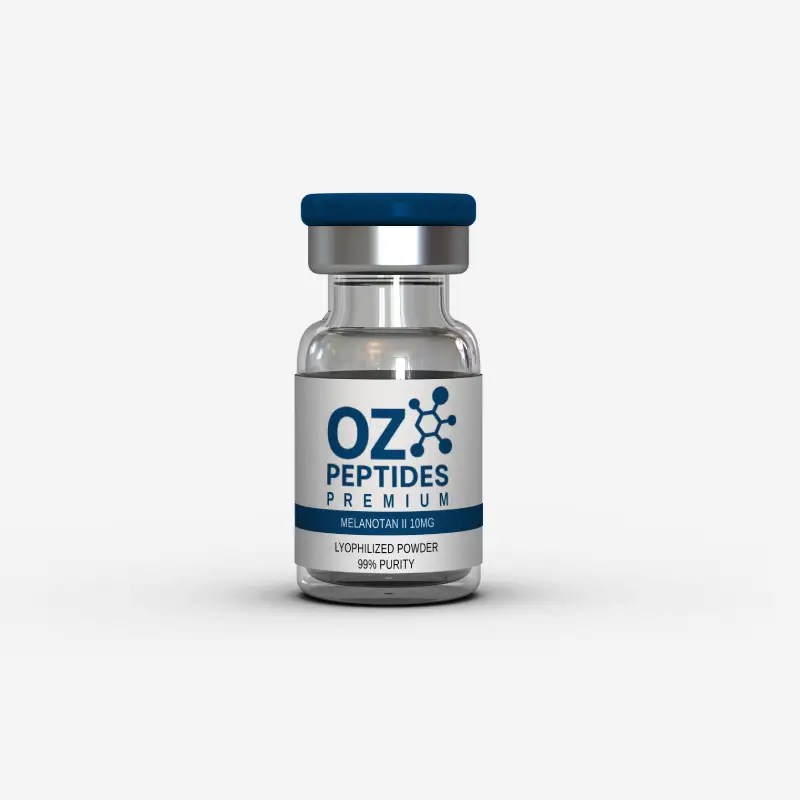
Melanotan 2
Melanocortin agonist for tanning research. Supports melanin production studies alongside weight management protocols.
How Weight Loss Peptides Work
Four primary mechanisms of action in fat loss and metabolic research
🎯 1. Incretin Pathway Activation
Retatrutide (GLP-1/GIP/glucagon triple agonist) and Tirzepatide (GLP-1/GIP dual agonist) mimic gut hormones released after eating. They activate receptors in the pancreas, brain, and GI tract to research appetite suppression, delayed gastric emptying, and improved insulin sensitivity. Cagrilintide works as an amylin analogue, adding a complementary satiety signal from a different hormonal pathway.
🔥 2. Metabolic Rate Modulation
5-Amino-1MQ inhibits NNMT (Nicotinamide N-methyltransferase), an enzyme that rises with age and promotes fat storage. By blocking NNMT, research suggests it increases NAD+ levels in fat cells, shifting metabolism from energy storage to energy expenditure. NAD+ itself is the critical coenzyme for mitochondrial ATP production – more cellular energy means more metabolic activity and less fat accumulation in research models.
💪 3. GH-Mediated Body Recomposition
Tesamorelin and the CJC-1295 + Ipamorelin blend elevate growth hormone levels, which increases lipolysis (fat breakdown) and preserves lean muscle mass during caloric restriction phases. Unlike direct fat burners, these compounds work through the endocrine system to research body recomposition – the simultaneous reduction of adipose tissue and maintenance of muscle tissue that defines aesthetic transformation.
⚡ 4. Synergistic Multi-Targeting
The most advanced weight loss research combines multiple pathways. A GLP-1 agonist suppresses appetite, a metabolic booster increases energy expenditure, and a GH secretagogue preserves lean mass. This multi-pronged approach mirrors how the body’s natural weight regulation actually works – through interconnected hormonal, metabolic, and cellular signals rather than a single mechanism.
Weight Loss Peptide Comparison Table
Quick-reference guide to mechanism, research focus, and key characteristics
| Peptide | Mechanism | Primary Research Focus | Appetite | Metabolism | GH Release |
|---|---|---|---|---|---|
| Retatrutide | GLP-1/GIP/Glucagon agonist | Triple-pathway fat loss | Strong | Yes | – |
| Tirzepatide | GLP-1/GIP dual agonist | Appetite & glucose control | Strong | Yes | – |
| Cagrilintide | Amylin analogue | Satiety & calorie control | Very Strong | – | – |
| 5-Amino-1MQ | NNMT inhibitor | Fat storage to burn shift | – | Strong | – |
| NAD+ | Coenzyme, mitochondrial | Cellular energy production | – | Yes | – |
| Tesamorelin | GHRH analog | Visceral fat, recomposition | – | Indirect | Strong |
| CJC + IPA | GHRH + Ghrelin synergy | Lean mass preservation | – | Indirect | Very Strong |
| Melanotan 2 | MC1R/MC4R agonist | Melanin, pigmentation | – | – | – |
How to Choose the Right Weight Loss Peptide
Define the Research Pathway
Appetite suppression (Retatrutide, Tirzepatide), metabolic shifting (5-Amino-1MQ, NAD+), or body recomposition (Tesamorelin, CJC+IPA)? Each targets a different aspect of weight management.
Single vs. Multi-Agonist
Single-pathway compounds isolate one mechanism. Multi-agonists like Retatrutide hit GLP-1, GIP, and glucagon simultaneously for synergistic metabolic research.
Consider the Starter Bundle
New to Retatrutide research? The Starter Bundle includes everything needed – peptide, BAC water, syringes, and swabs. Saves time and ensures proper preparation setup.
Verify Quality & Testing
Only use suppliers with published HPLC/MS COAs, batch-specific purity data (98%+), and temperature-controlled domestic shipping to maintain peptide integrity.
Popular Research Stacks
Commonly studied peptide combinations for weight loss research protocols
🔥 The Metabolic Reset Stack
Combines a GLP-1/GIP agonist for appetite control with an NNMT inhibitor for metabolic acceleration. Tirzepatide suppresses hunger signals while 5-Amino-1MQ shifts cellular metabolism toward fat oxidation. This stack studies the interaction between reduced calorie intake and increased energy expenditure.
💪 The Recomposition Stack
Pairs triple-agonist metabolic support with GH-mediated lean mass preservation. Retatrutide drives fat loss through multiple incretin pathways while CJC-1295 + Ipamorelin maintains GH levels to protect muscle tissue during the deficit. Ideal for body recomposition research.
⚡ The Cellular Energy Stack
Combines mitochondrial energy support with metabolic enzyme inhibition. NAD+ boosts cellular ATP production while 5-Amino-1MQ blocks the NNMT enzyme that promotes fat storage. Together they research energy balance from both the supply (NAD+) and demand (NNMT inhibition) sides.
Frequently Asked Questions
Common questions about weight loss peptides for research
The most researched weight loss peptides include Retatrutide (triple GLP-1/GIP/glucagon agonist), Tirzepatide (dual GLP-1/GIP agonist), Cagrilintide (amylin analogue for appetite control), 5-Amino-1MQ (NNMT inhibitor for metabolic boosting), and Tesamorelin (GHRH analog for body recomposition). Each works through different pathways – appetite suppression, metabolic shifting, or hormonal modulation – allowing researchers to select the most appropriate compound for their study design.
Retatrutide is a triple agonist that simultaneously activates GLP-1, GIP, and glucagon receptors. GLP-1 activation suppresses appetite and delays gastric emptying. GIP activation enhances insulin sensitivity and metabolic efficiency. Glucagon activation increases energy expenditure. Together these three pathways create a comprehensive approach to metabolic regulation that research suggests outperforms single-agonist compounds.
Tirzepatide is a dual agonist targeting GLP-1 and GIP receptors. It is extensively researched for appetite suppression and glucose control. Retatrutide adds a third pathway – glucagon receptor activation – which increases energy expenditure on top of the appetite and glucose effects. Research suggests Retatrutide may produce superior fat loss outcomes due to this additional metabolic-boosting mechanism.
5-Amino-1MQ works by inhibiting NNMT (Nicotinamide N-methyltransferase), an enzyme that increases with age and promotes fat storage. By blocking NNMT, research suggests it elevates NAD+ levels specifically in fat cells, shifting metabolism from energy storage to energy burning mode. Unlike appetite suppressants, 5-Amino-1MQ targets the cellular machinery of fat metabolism directly.
The Retatrutide Starter Bundle is an all-in-one research kit containing: Retatrutide (choice of 2 x 10mg vials or 1 x 20mg vial), bacteriostatic water for reconstitution, syringes for precise measurement, and alcohol swabs for sterile handling. It provides everything needed to begin peptide preparation protocols in one convenient package.
In Australia, bioactive peptides including GLP-1 agonists are regulated under the Poisons Standard. OzPep supplies all peptides strictly for in-vitro research and laboratory use only. They are not intended for human consumption, therapeutic use, or any application outside approved research. Researchers must hold appropriate licenses and comply with TGA regulations and state laws.
Lyophilised peptides should be stored at -20°C, protected from light and moisture. Once reconstituted with bacteriostatic water, refrigerate at 2-8°C and use within 30 days. GLP-1 agonists like Retatrutide and Tirzepatide are particularly sensitive to temperature fluctuations. Never freeze reconstituted solutions. Always handle with sterile technique in a laboratory environment.
NAD+ (Nicotinamide Adenine Dinucleotide) is an essential coenzyme for cellular energy production and mitochondrial function. In weight loss research, NAD+ is studied for its role in metabolic regulation, sirtuin activation, and cellular repair processes. Higher NAD+ levels are associated with increased metabolic activity and improved energy utilisation. It works synergistically with NNMT inhibitors like 5-Amino-1MQ.
Tesamorelin is a GHRH analog that stimulates the pituitary to release growth hormone. Elevated GH increases lipolysis (fat breakdown) and helps preserve lean muscle mass during caloric restriction. Unlike direct fat burners, Tesamorelin works through the endocrine system to research body recomposition – the simultaneous reduction of adipose tissue and maintenance of muscle tissue.
Yes, OzPep ships to all Australian states and territories from our Melbourne warehouse. Express shipping with tracking is available on all orders. Free shipping applies to orders over $200. All peptides are dispatched in temperature-safe packaging to protect integrity during transit. Delivery typically takes 1-5 business days. Every order is backed by our quality guarantee and independent COA verification.
Start Your Weight Loss Research Today
Premium research peptides, independently tested, shipped fast from Melbourne. Join hundreds of Australian researchers who trust OzPep for their studies.
Browse All Peptides →Research Use Only: All peptides sold by OzPep are intended strictly for in-vitro research and laboratory use. They are not for human consumption, diagnostic, therapeutic, or cosmetic use. Researchers are responsible for compliance with all applicable local laws and regulations. This information is provided for educational purposes only and does not constitute medical or scientific advice.