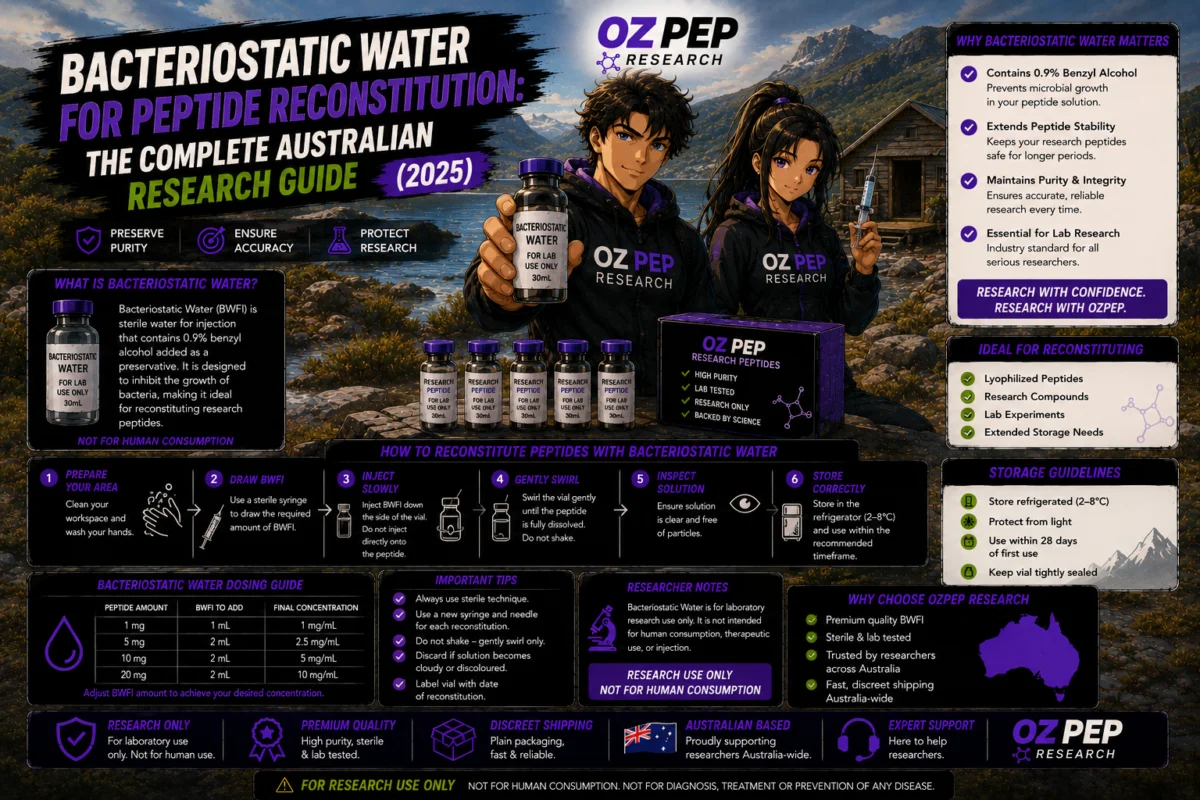

Key Takeaways What Is Bacteriostatic Water? bacteriostatic water for peptide reconstitution, commonly referred to as BAC water, is sterile water containing 0.9% (v/v) benzyl alcohol as an antimicrobial preservative. It is the standard diluent used throughout pharmaceutical and research settings for dissolving (reconstituting) lyophilised (freeze-dried) compounds — including research peptides. The “bacteriostatic” designation is critical: […]
Category Archives: Peptide Guides
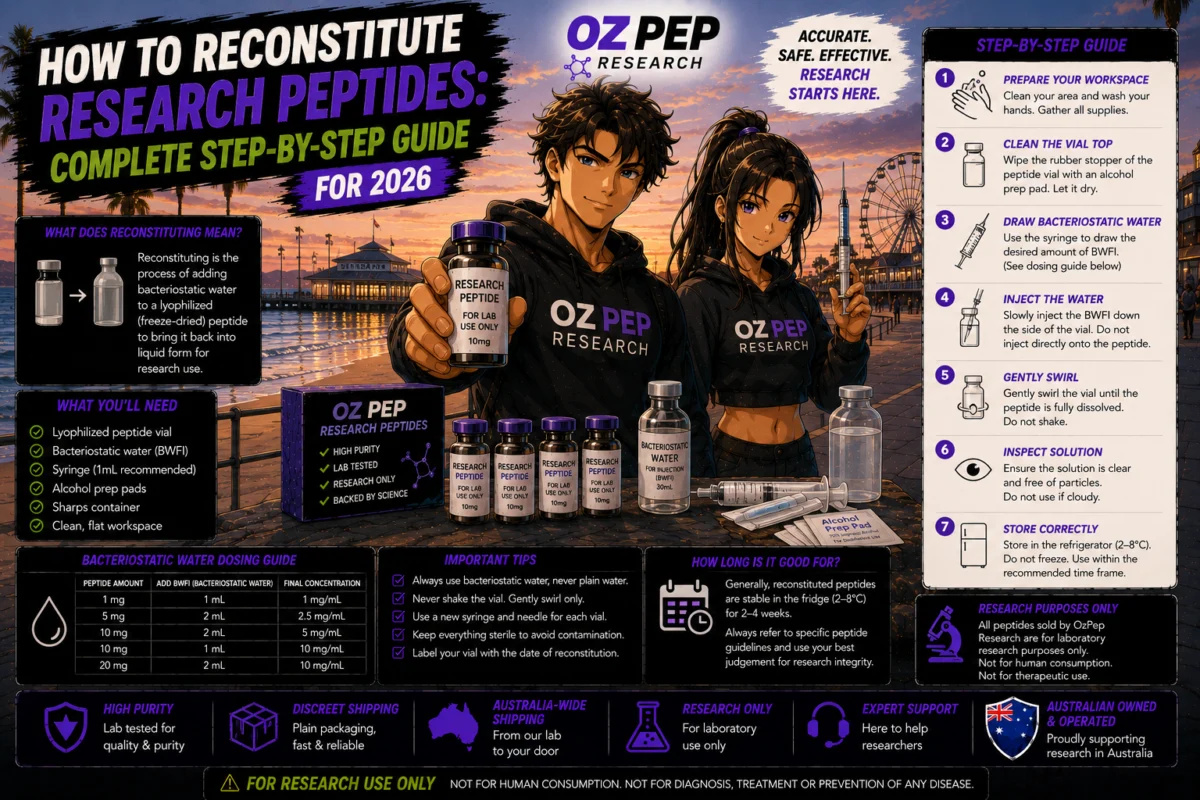
Key Takeaways You’ve got your research peptides delivered. They’re in pristine lyophilised form, sealed under vacuum, properly labelled. But before any research can begin, there’s one critical step standing between you and your protocol: reconstitution. Get this wrong — use the wrong water, shake too hard, miscalculate your concentration — and you compromise the entire […]
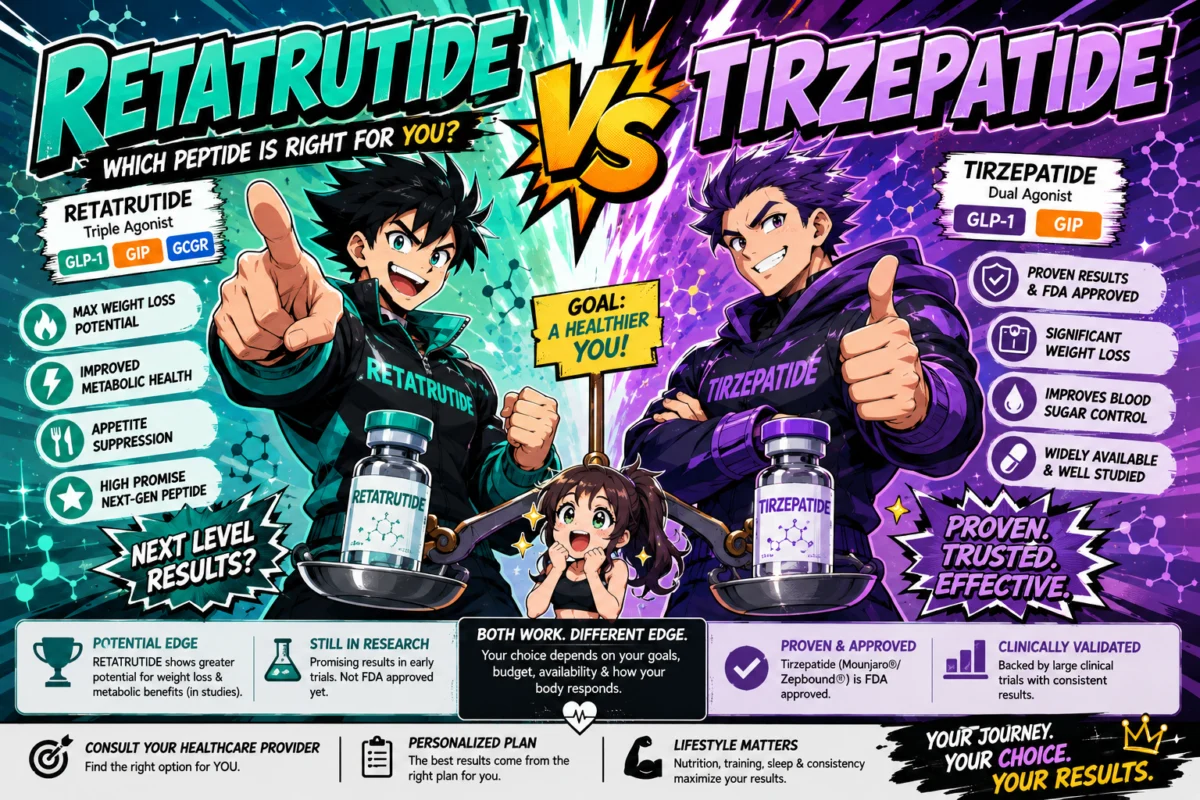
Key Takeaways The race to develop the most effective metabolic research peptide has intensified. Two compounds have pulled ahead of the pack: Retatrutide (Eli Lilly’s triple agonist) and Tirzepatide (Eli Lilly’s dual agonist, already marketed as Mounjaro/Zepbound). For Australian researchers designing metabolic protocols, understanding the precise differences between these two powerhouses isn’t optional — it’s […]
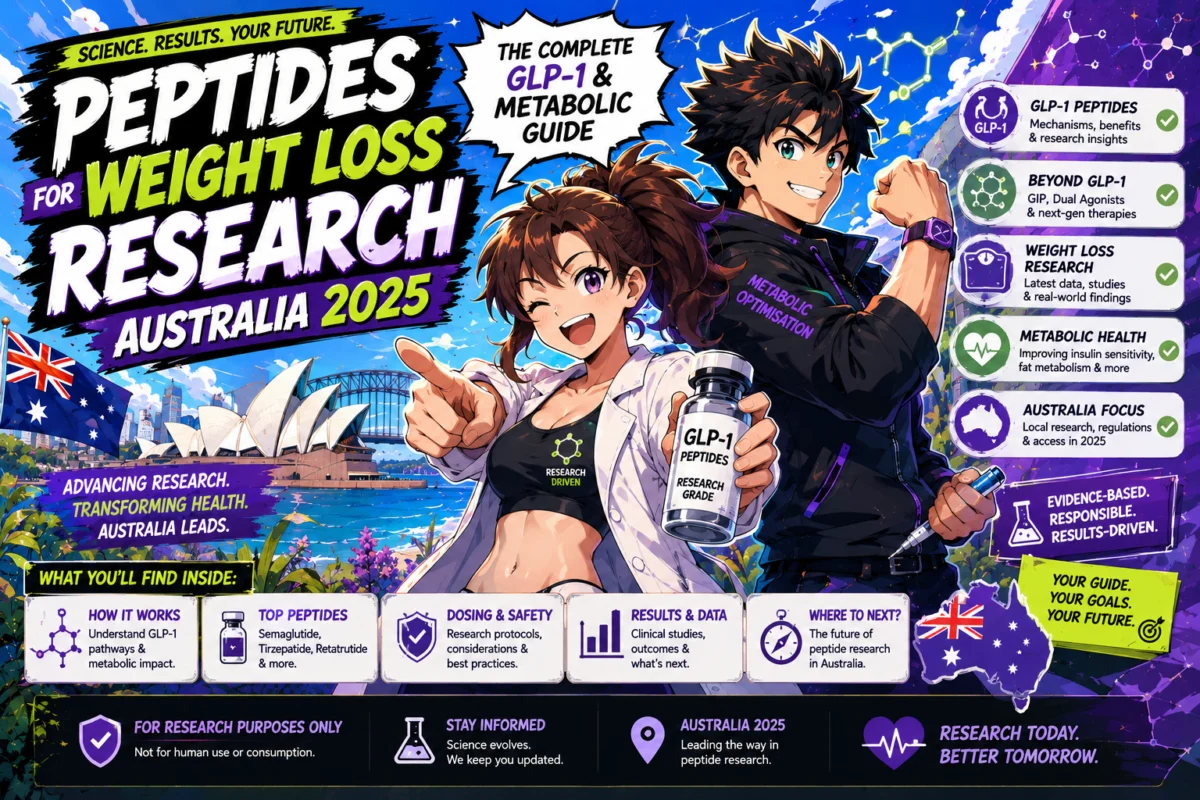
Peptides for Weight Loss Research Australia Key Takeaways What Are Research Peptides for Weight Loss? Research peptides for weight loss represent one of the fastest-evolving frontiers in metabolic science. These short-chain amino acid sequences are being studied for their ability to modulate appetite, enhance energy expenditure, improve glycaemic control, and recalibrate the body’s metabolic set […]
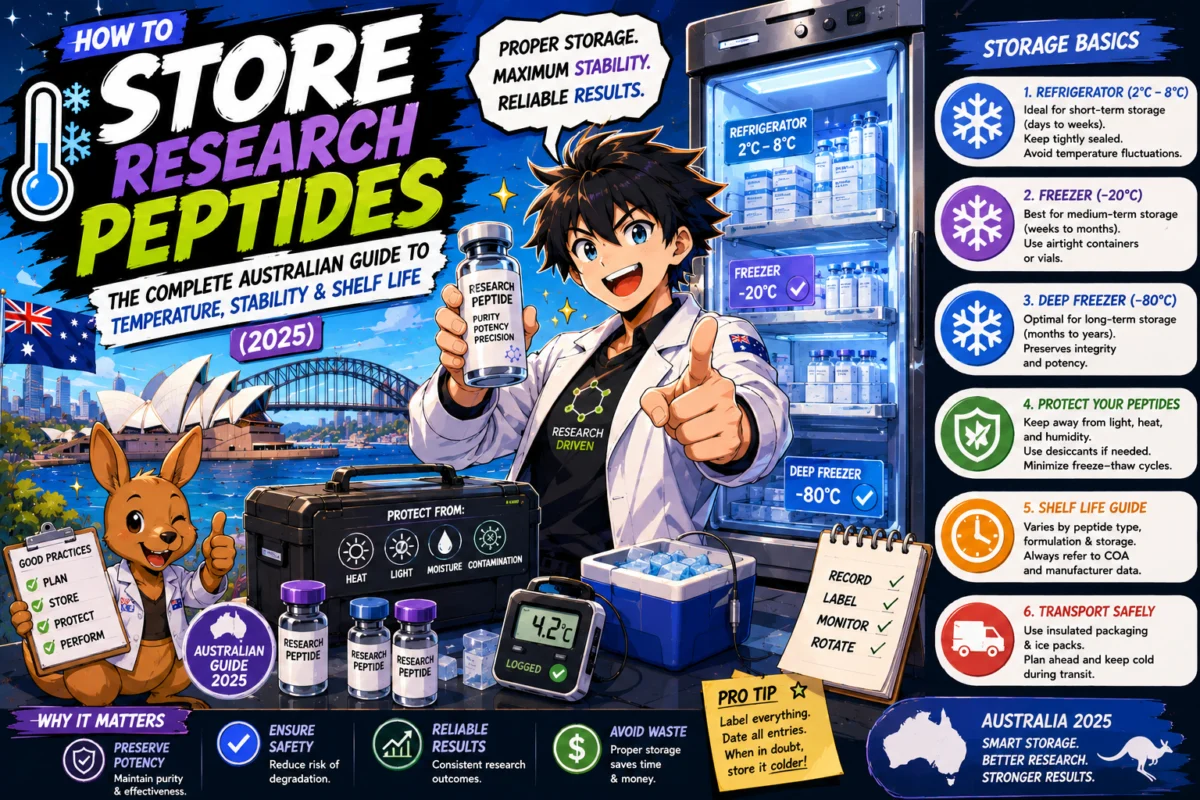
Key Takeaways Why Proper Peptide Storage Matters Peptide stability is not merely a logistical concern — it is a fundamental determinant of research validity. A degraded peptide can produce false negatives, inconsistent dose-response curves, and irreproducible results that compromise entire study protocols. Research peptides are inherently fragile molecules. Their biological activity depends on precise three-dimensional […]
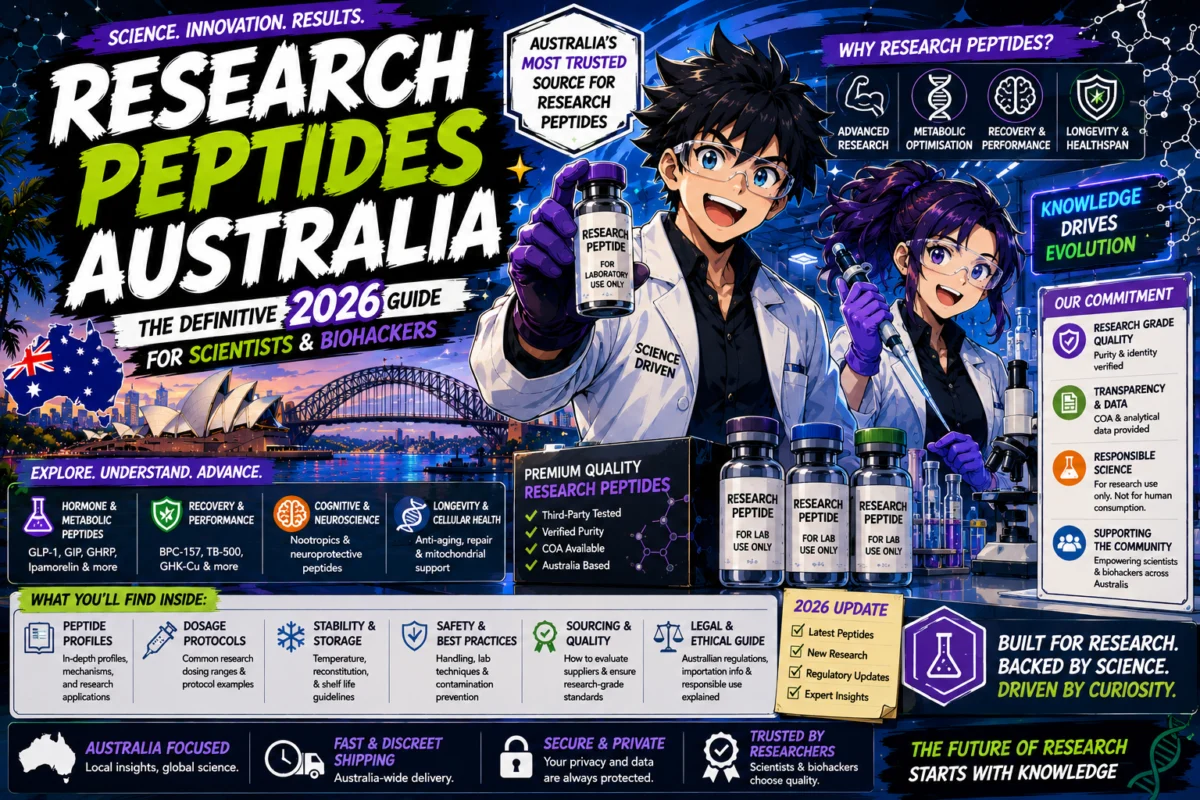
Key Takeaways Introduction: The Landscape of Peptide Research in Australia (2026) Research peptides have moved from niche biochemical curiosities to central tools in metabolic, regenerative, and cognitive research across Australian laboratories. But if you’re new to the field — or even if you’re a seasoned researcher looking to expand your compound library — the sheer […]
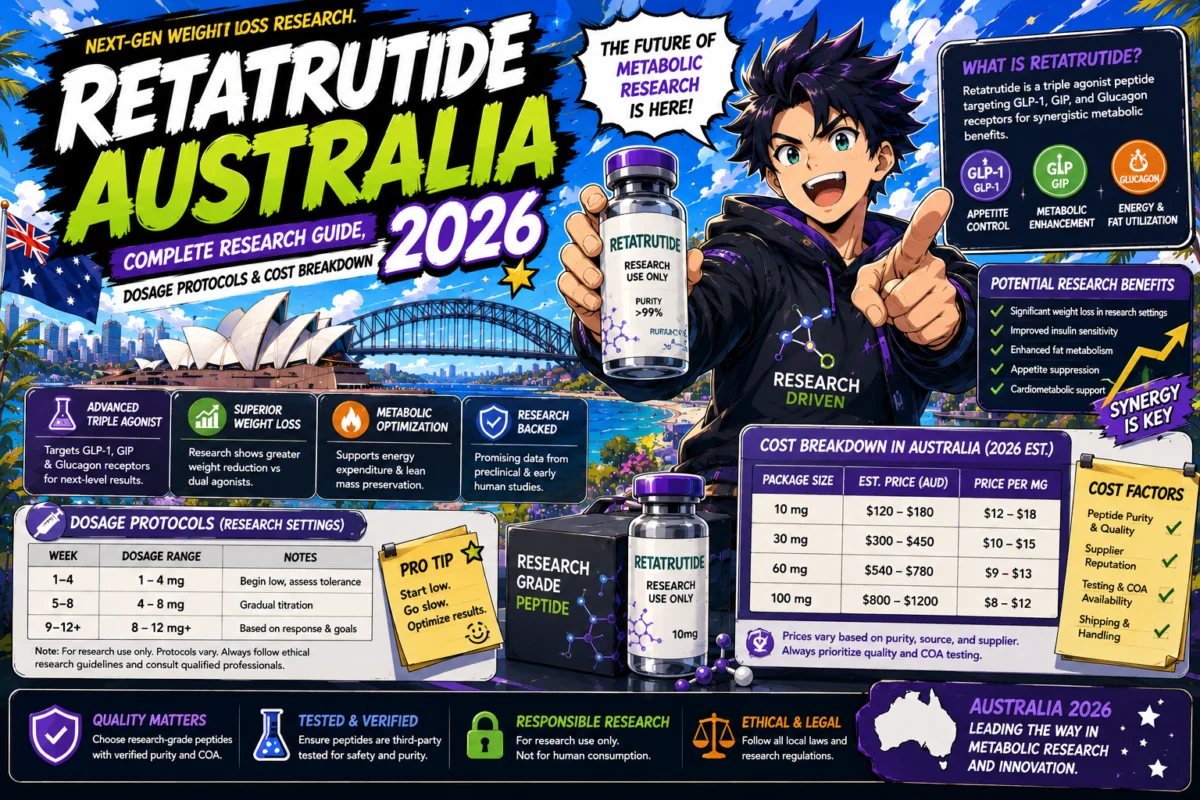
Key Takeaways Retatrutide — also known by its developmental code LY3437943 — has rapidly emerged as the most promising compound in modern metabolic research. In Phase 2 trials, it achieved something no other pharmacological agent has: a 24.2% mean weight loss in participants. That’s not a typo. For Australian researchers, biohackers and peptide scientists, understanding […]
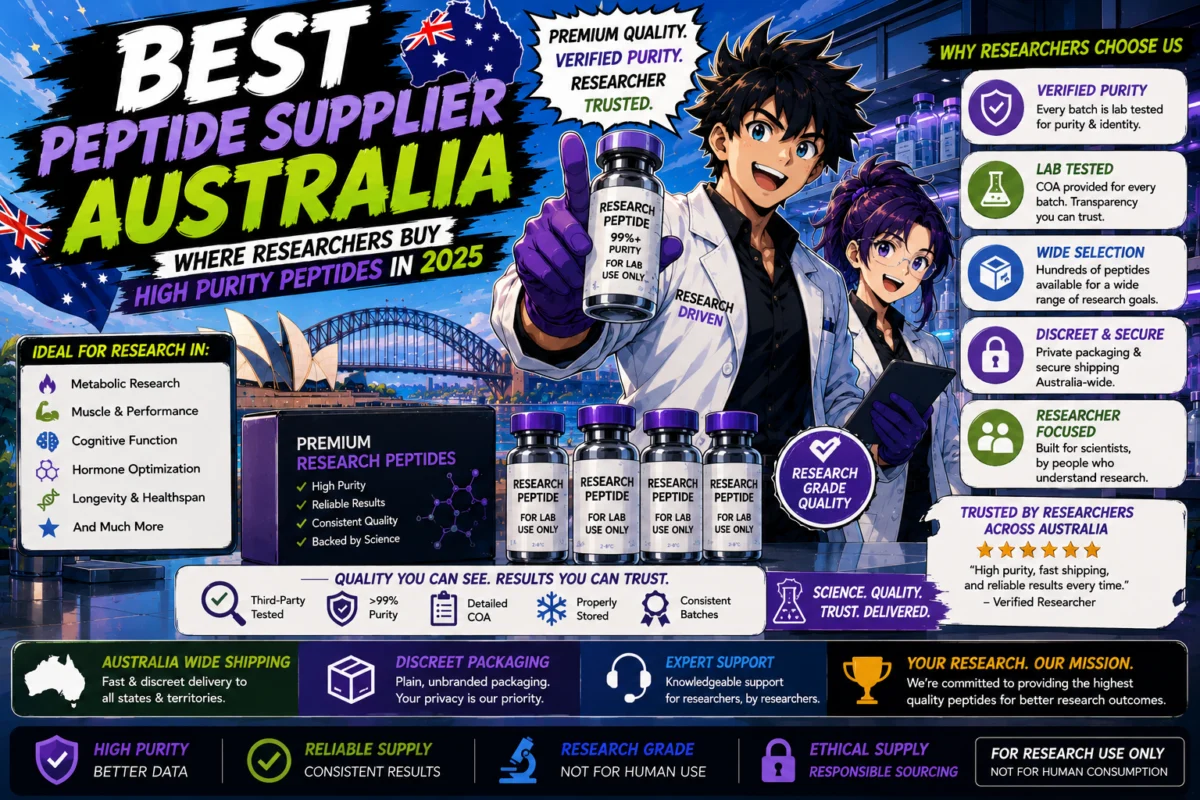
Looking for the Best Peptide Supplier in Australia? As interest in research peptides continues growing across Australia, more researchers are searching for reliable suppliers that provide high-purity compounds, fast local shipping, and practical educational resources. From metabolism-focused peptides to recovery and cosmetic research compounds, choosing the right supplier plays a major role in the overall […]
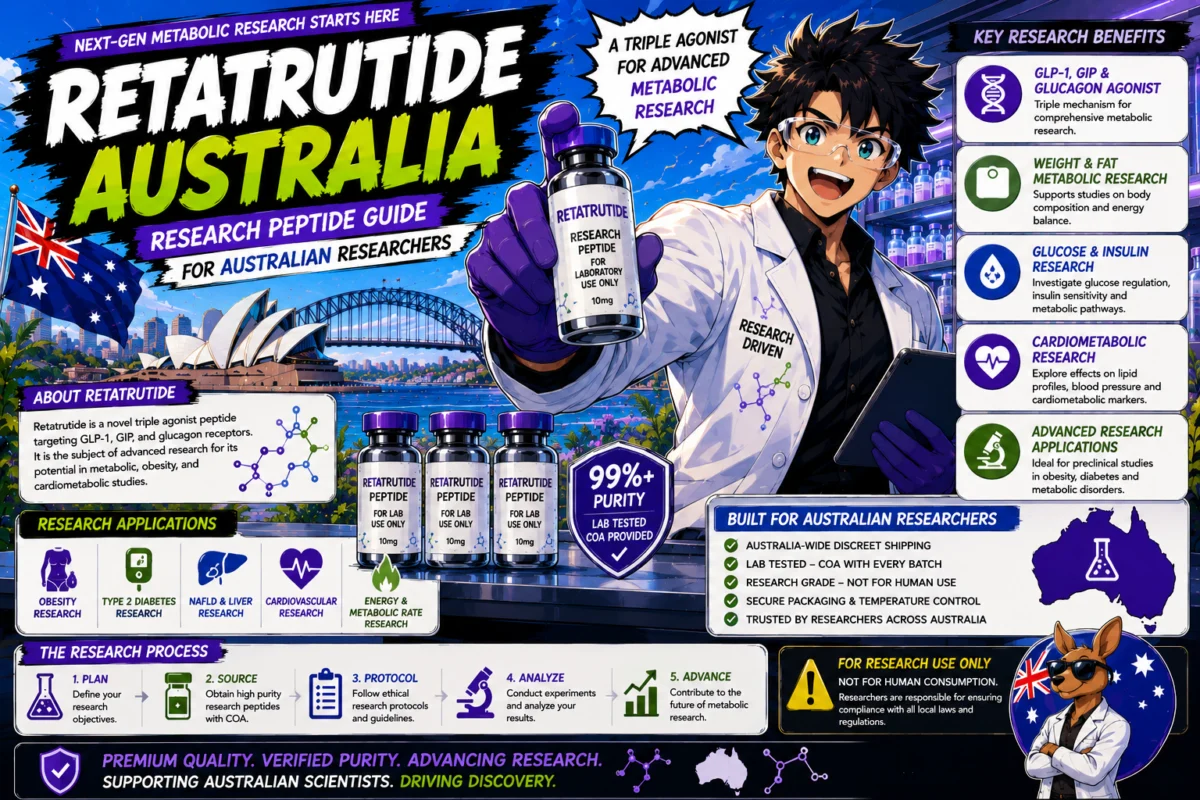
Why Retatrutide Is Getting So Much Attention in Australia Interest in Retatrutide Australia has grown rapidly across the country as researchers explore new peptide compounds connected to appetite signaling, metabolic activity, and energy regulation. Unlike traditional single-pathway compounds, Retatrutide is researched for its interaction with three different hormone receptors: This triple-agonist approach is one reason […]
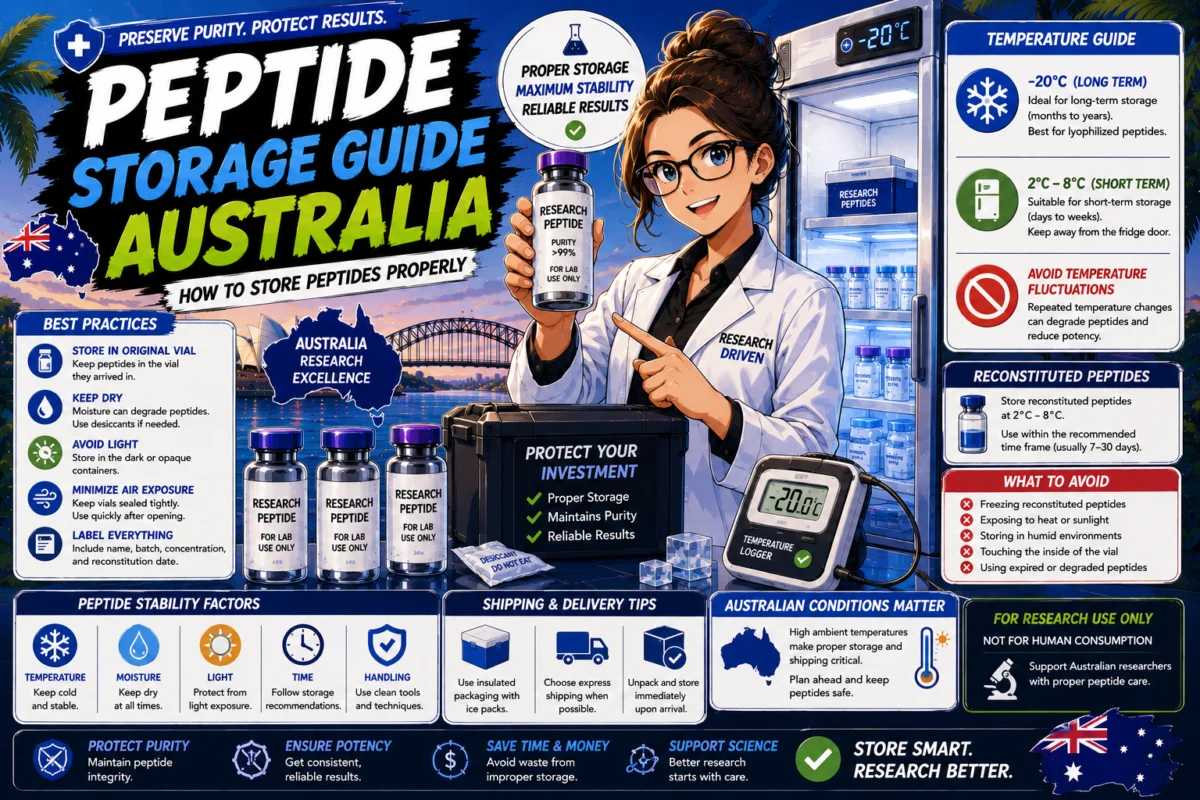
Peptide Storage Guide Australia | How To Store Peptides Properly Bad Peptide storage is one of the fastest ways to ruin a peptide vial. A compound that should remain stable for months can degrade quickly if it’s handled poorly, contaminated, exposed to heat, or stored incorrectly after reconstitution. Understanding how to store peptides properly is […]
- 1
- 2