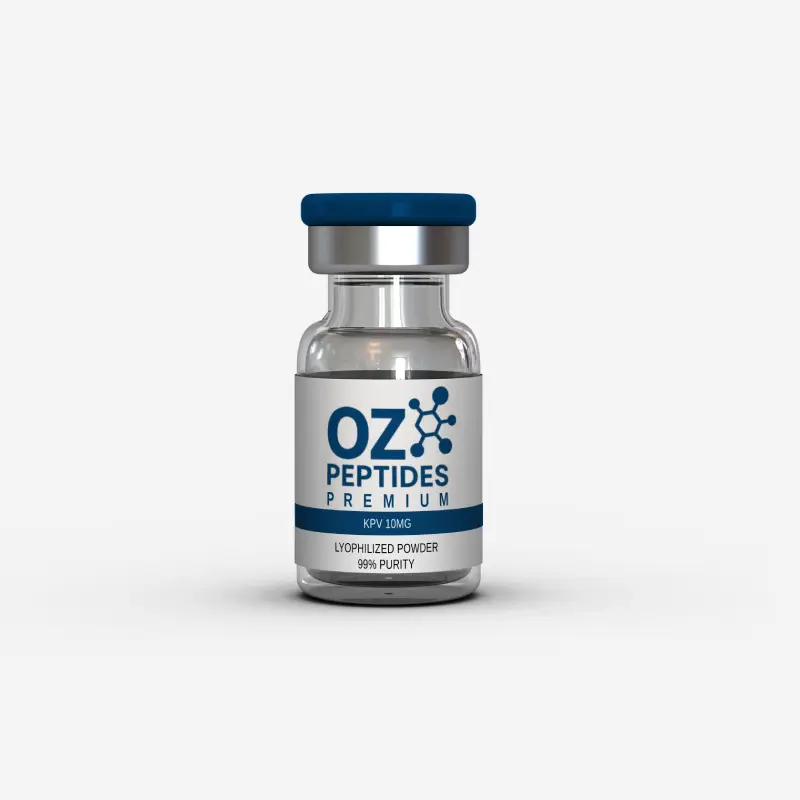
🧪 Steps FOr reconstitution
- Draw 1.0 mL bacteriostatic water using a sterile syringe
- Inject slowly down the vial wall (don’t blast it, avoid foaming)
- Gently swirl or roll until fully dissolved (no shaking)
- Label with the date, store in the fridge at 2–8°C, keep out of light
- Use within 4 weeks after reconstitution
⚖️ BENIFITS & SIDE EFFECTS
Research suggests KPV may help reduce inflammation by lowering pro-inflammatory cytokines and calming immune system activity in models of gut inflammation and systemic inflammatory stress. Both oral and injectable forms have shown activity in research, though subcutaneous administration is commonly used for more consistent absorption and whole-body delivery. Preclinical studies also suggest KPV may support tissue repair and wound healing by helping control excessive inflammation around damaged tissue.
KPV is generally well tolerated in research settings, with the most common side effects being mild injection-site irritation such as redness or slight swelling. Unlike full α-MSH peptides, KPV does not appear to affect skin pigmentation or tanning pathways, making it different from melanocortin-based compounds that influence melanocyte activity.
💉 Dosing Protocol
- Start: 200 mcg daily, increase by ~100 mcg each week as tolerated
- Target: 400–500 mcg daily by around Weeks 4–8 for ongoing anti-inflammatory support
- Frequency: Once daily (subcutaneous)
- Cycle Length: Typically 8–12 weeks, with optional extension to ~16 weeks if needed
- Timing: Any consistent time works; rotate injection sites regularly
📅 Standard Protocol
Frequency: Inject once daily under the skin. This protocol uses a 3.0 mL mix to keep injection volumes small and easier to measure. For doses under 10 units, a 30- or 50-unit insulin syringe can make the markings easier to read and improve measurement accuracy.
❄️ Storage (Keep It Potent)
- Lyophilized: Store at −20°C or colder, dry and out of light — good for up to 24 months
- Reconstituted: Keep in the fridge at 2–8°C, use within 4 weeks
- Let vials come to room temp before opening to avoid condensation getting inside
⚠️ Key Considerations
Use a fresh sterile insulin syringe every time and dispose of it properly in a sharps container. Rotate injection sites (abdomen, thighs, upper arms) to avoid irritation and buildup. If your dose runs over 10 mg with a 1.0 mL mix, you’ll need multiple vials to hit the volume, and if total volume goes past 1.0 mL, split it into two injections at different sites for better absorption. Inject slowly and give it a few seconds before pulling out to make sure the full dose is delivered. Keep a simple log of dose, date, and injection sites so nothing drifts, and most important, titrate up gradually, don’t rush it or skip steps unless you want your gut to push back.
💉 How to Inject (SubQ Basics)
- Wipe the vial stopper and injection site with alcohol and let it dry fully
- Pinch a small skinfold and insert the needle at 45–90° into subcutaneous tissue
- Don’t aspirate, just inject slow and steady
- If volume goes over 1.0 mL, split into two injections at different sites (e.g. left/right abdomen)
- Rotate sites each time (abdomen is go-to, but thighs and upper arms work too) to avoid irritation and buildup
- After injecting, wait a few seconds before pulling out to make sure the full dose goes in
- Dispose of syringes straight away in a proper sharps container
🏃♂️ Lifestyle Support (for best results)
To help support healthy inflammation levels, focus on a diet built around whole foods, healthy fats like omega-3s, fruits, vegetables, and fiber while limiting heavily processed foods and excess sugar. Managing stress is also important, since ongoing stress can increase inflammatory signals in the body, so things like meditation, relaxation, good sleep, and regular downtime can help. Moderate exercise can support recovery and overall health, but pushing too hard without enough recovery may increase inflammation instead. Aim for 7–9 hours of quality sleep each night to support immune balance and recovery and pay attention to gut health by including fiber-rich and probiotic foods to help support a healthier microbiome.
⚠️ Research Use Disclaimer
This content is for educational and research awareness purposes only, not medical advice, diagnosis, or treatment. KPV is an investigational compound and is not approved for clinical use. All information is drawn from published research and clinical trial data and is not intended to promote or guide off-label or human use.
📚 References
• Gastroenterology — PepT1-Mediated Tripeptide KPV Uptake Reduces Intestinal Inflammation
https://pubmed.ncbi.nlm.nih.gov/18243180/
• FASEB Journal — α-MSH and Related Tripeptides: Modulation of Colitis & Inflammation
https://faseb.onlinelibrary.wiley.com/doi/10.1096/fj.02-0888com
• Journal of Pharmaceutical Drug Delivery Research — KPV Retains Potent Anti-Inflammatory Activity Without Melanotropic Side Effects
https://www.scitechnol.com/peer-review/kpv-as-an-amshtype-tripeptide-retains-potent-antiinflammatory-activity-without-melanotropic-side-effects-Uw2M.php?article_id=19745
• Johns Hopkins Arthritis Center — Subcutaneous Injection Technique Guidelines
https://www.hopkinsarthritis.org/patient-corner/how-to-give-a-subcutaneous-injection/
• NCBI Bookshelf — Best Practices for Injection & Aseptic Technique
https://www.ncbi.nlm.nih.gov/books/NBK556121/
• PMC — Subcutaneous Drug Injection Review
https://pmc.ncbi.nlm.nih.gov/articles/PMC6116796/

 Weight Loss
 Injury and Repair
 Muscle Building
 Anti-aging
 Cognitive Function
 3ml Benzyl Alcohol Bacteriostatic Water
 Starter Pack
 Retatrutide Starter Bundle
 5-Amino-1MQ Dosage Guide (5mg)